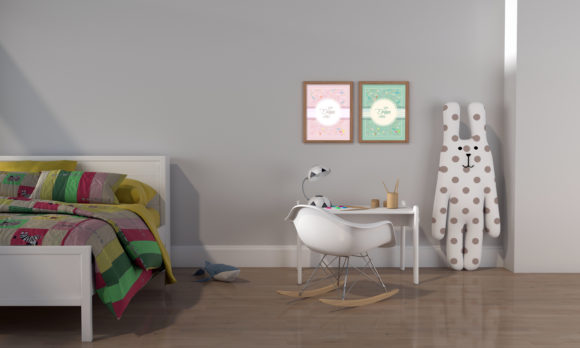
A 3D Rendering Illustration of a Modern Minimalist Kids Bedroom – A Creative Tool for Artists and Brand Owners
In the digital age, visual presentation plays a crucial role in how audiences perceive products and services. Whether you're an artist showcasing your latest work, a blogger sharing interior design ideas, or a shop owner promoting your brand, having a high-quality visual backdrop can significantly enhance your message. One such tool gaining popularity is the 3D rendering illustration of a modern minimalist kids bedroom, which provides a clean, contemporary setting to display artwork, photos, or branding elements. These mockups are particularly useful for creative professionals who want to present their designs in a realistic yet customizable environment.
What Is a 3D Rendering Illustration of a Modern Minimalist Kids Bedroom?
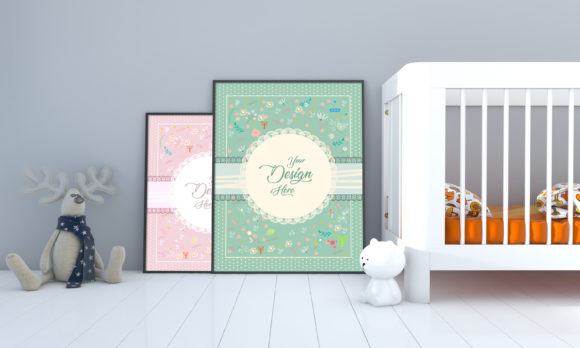
A 3D rendering illustration of a modern minimalist kids bedroom is a digitally created image that simulates a real-life space. It features empty picture frames on the walls, allowing users to overlay their own images—such as prints, logos, or artwork—to visualize how they would look in a professionally designed room. The style is characterized by simple color palettes, uncluttered layouts, and neutral tones, making it ideal for highlighting the creativity of the content being displayed.
This type of mockup is commonly used by designers, artists, and entrepreneurs to showcase their work without the need for physical photo shoots. It’s especially popular among those working with wall art, home décor, and branding materials, where context is key to conveying the intended aesthetic and purpose.
Key Features and Benefits
- Unique Scene: The modern minimalist setting ensures your artwork stands out, avoiding distractions from overly busy or traditional backgrounds.
- High Resolution: With dimensions up to 5000 x 3000 pixels, these illustrations provide exceptional clarity, suitable for both online and print use.
- Easy Customization: Most packages include a Photoshop (PSD) file with smart objects, enabling seamless editing and quick changes to the displayed content.
- Time and Cost Efficiency: Instead of building a set or hiring a photographer, users can create professional-looking visuals within minutes using pre-made templates.
- Reusability: Once purchased, the same scene can be repurposed multiple times for different projects, reducing long-term costs.
How It Compares to Other Visual Tools
When compared to other visual tools like flat lay mockups or generic stock images, the 3D rendering illustration of a modern minimalist kids bedroom offers a more immersive and realistic experience. While flat lays can be effective for showing product details, they often lack the spatial depth needed to convey how items interact within a room. On the other hand, stock photos may offer real-world environments but are typically not customizable, limiting their usefulness for branding or design presentations.
Photorealistic renderings, in contrast, allow for precise placement of elements, lighting adjustments, and perspective control. This makes them particularly valuable for businesses that need to maintain a consistent visual identity across platforms. For instance, an artist selling canvas prints can use this mockup to show clients exactly how their work will appear when hung in a child's room, giving potential buyers a clear idea of scale and impact.
Strengths of a 3D Rendering Illustration
The main strengths of using a 3D rendering illustration of a modern minimalist kids bedroom lie in its versatility and realism. Here are some specific advantages:
- Customizable Framing: The inclusion of empty frames allows for easy insertion of artwork, photos, or logos, making it ideal for advertising new collections or branding campaigns.
- Consistent Lighting: Unlike real-world photography, 3D renderings ensure even and flattering lighting, enhancing the quality of the displayed content.
- Control Over Composition: Users have full control over angles, positions, and background elements, enabling tailored presentations for various audiences.
- Scalable for Different Platforms: The high-resolution JPEG format ensures that the illustration looks sharp whether used on a website, social media post, or printed brochure.
Best-Fit Situations and Limitations
While a 3D rendering illustration of a modern minimalist kids bedroom is incredibly versatile, it’s best suited for certain scenarios. If you’re looking to advertise children's wallpaper designs, test color schemes for a blog post, or promote framed art for young interiors, this tool is a great fit. Its minimalistic approach also aligns well with brands focused on simplicity, functionality, and modern aesthetics.
However, there are limitations to consider. These mockups are static representations and may not capture dynamic aspects like movement or interaction. They are also most effective when used with complementary content—such as abstract patterns or bright colors—that pop against the neutral background. For highly intricate or textured designs, the realism of the 3D rendering may require additional tweaking to match expectations.
Real-World Use Cases
Here are a few examples of how professionals can leverage this resource:
- Artists: Displaying new collections of children's art or illustrations in a realistic setting before printing.
- Shop Owners: Using the mockup to feature seasonal promotions or new arrivals in home décor stores.
- Bloggers: Incorporating the image into posts about modern nursery design or budget-friendly decorating tips.
- Creative Agencies: Presenting client proposals with mockups that demonstrate how branding assets will appear in a living space.
Choosing Between 3D Renderings and Real Photography
For many creative professionals, the decision between using 3D renderings and real photographs comes down to practicality and cost. Real photography can offer unmatched authenticity but requires significant time and resources—especially when staging a shot in a real kids' bedroom. In contrast, a 3D rendering illustration gives you the flexibility to make rapid iterations and experiment with different styles without logistical constraints.
If your goal is to produce a large number of visuals quickly, 3D mockups are far more efficient. But if your project demands a very natural, human touch—such as capturing the way sunlight hits a painting through a window—real photography might still be preferable. That said, many 3D illustrations now come with advanced lighting effects that closely mimic real-world conditions, bridging the gap between digital and photographic realism.
When to Choose a 3D Rendering Illustration
A 3D rendering illustration of a modern minimalist kids bedroom is particularly beneficial in the following situations:
- You need a clean, distraction-free background to highlight your product or design.
- You want to test how your artwork or branding looks in a variety of colors or settings.
- You're targeting an audience interested in modern interior design trends.
- Your workflow involves frequent updates or rebranding efforts, and you need reusable assets.
- You aim to reduce production costs while maintaining a high level of visual appeal.
Alternatives Worth Considering
Although 3D renderings are powerful, there are alternative methods depending on your needs:
- Flat Lay Mockups: These are great for product shots but less effective for showing how items look within a room.
- Photorealistic Stock Images: These offer real environments but are often limited in customization and reuse rights.
- DIY Photo Shoots: Affordable for small projects but require effort in setup and post-processing.
- Vector-Based Room Templates: Ideal for simpler designs but may not deliver the same level of detail or realism.
Each option has its place, and the right choice depends on your goals, budget, and technical capabilities. However, for those seeking a balance between realism and ease of use, a 3D rendering illustration remains one of the top choices.
Getting Started: What You’ll Need
To make the most of a 3D rendering illustration of a modern minimalist kids bedroom, you’ll typically need access to a graphic editor like Adobe Photoshop. The included PSD file uses smart objects, which means you can replace the placeholder images with your own without affecting the overall quality of the render. If you don’t have Photoshop, some mockup providers offer free alternatives or simplified versions compatible with basic editors.
Once you’ve inserted your artwork, you can tweak lighting, shadows, and positioning to create a polished final image. Many users find that adding subtle textures or adjusting contrast helps the overlaid content blend naturally with the scene. After finalizing the design, you can export the image in JPEG format for immediate use across websites, social media, or printed materials.
Common Mistakes to Avoid
Despite their user-friendly nature, 3D renderings can lead to missteps if not handled properly. Some common issues include:
- Overloading the scene with too much content, which defeats the minimalist purpose.
- Ignoring resolution requirements, leading to blurry or pixelated results when scaled up.
- Not matching the tone or style of the artwork to the mockup’s ambiance, resulting in a jarring visual effect.
- Using outdated software that doesn't support smart objects or layer edits effectively.
By planning ahead and understanding how the mockup works, you can avoid these pitfalls and create visuals that truly reflect your brand or design philosophy.
Final Thoughts on Selecting the Right Visual Tool
Selecting the right visual tool for showcasing your work is essential for standing out in a competitive market. A 3D rendering illustration of a modern minimalist kids bedroom offers a compelling solution for those who value efficiency, flexibility, and a sleek aesthetic. By providing a ready-made scene that can be adapted to your needs, it enables you to focus on what matters most—your creative output.
Ultimately, the decision should be based on your specific requirements. If you're looking for something that balances speed, quality, and adaptability, this type of illustration could be the perfect addition to your toolkit. Just remember to consider your audience’s preferences and the platform where the visuals will be displayed to ensure the best possible outcome.